
Symptoms of Cancer, Resources, and Education
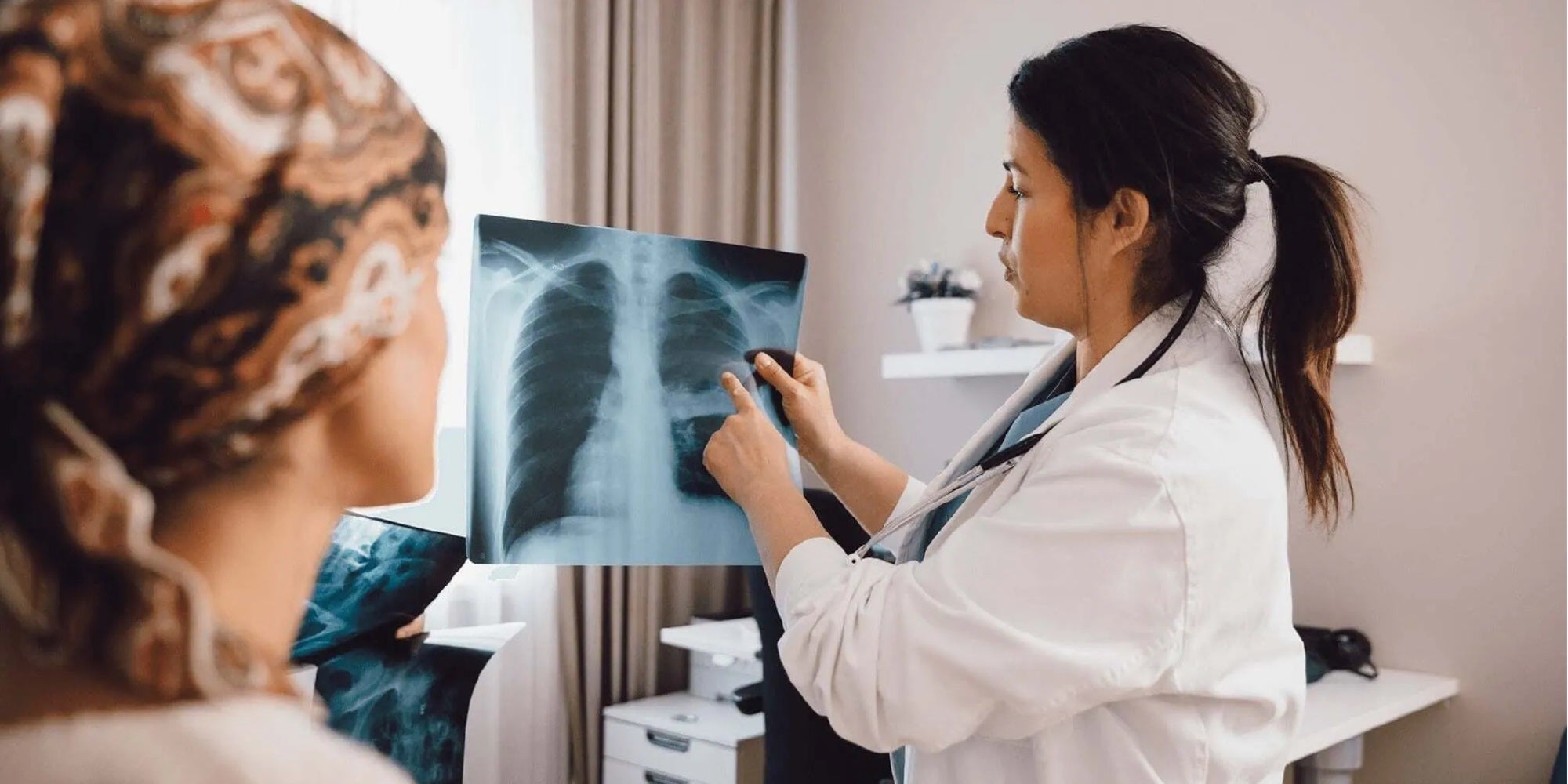
Understanding Your Cancer Diagnosis
Learning about your cancer can help you feel more prepared for cancer treatment. It also helps you make better decisions with your cancer doctor (oncologist).
Basic Facts About Cancer
- Cancer is the second leading cause of death in the United States, but survival rates have improved in recent years.
- Cancer happens when cells grow out of control and do not die when they should.
- Cancer cells can spread to other parts of the body through the blood or lymph system.
- Cancer is caused by changes in genes that control how cells grow and die.
- These changes can come from lifestyle choices (like smoking or diet), the environment, or inherited genes.
- You can lower your risk by living a healthy lifestyle and getting regular screenings.
- Cancer can be treated with:
- Surgery
- Radiation therapy
- Chemotherapy
- Hormone therapy
- Treatments that help your immune system
Clinical trials (cancer research studies) are also a treatment option for some people.
Each year, about 1.4 million people in the U.S. are diagnosed with cancer, and over half a million people die from it. However, many people survive—about 65% live at least five years after diagnosis.
Saint Alphonsus Offers Personalized Cancer Care and Treatment
FAQs
Cancer is not just one disease—it is a group of related diseases.
Your body is made of cells. Normally, cells grow and divide when needed. But sometimes:
- New cells form when they are not needed
- Old cells do not die when they should
This leads to extra cells forming a lump called a tumor.
Types of Tumors
- Benign tumors (non-cancerous):
- Do not spread
- Can often be removed
- Usually not life-threatening
- Malignant tumors (cancerous):
- Grow uncontrollably
- Can invade nearby tissue
- Can spread to other parts of the body
When cancer spreads, it is called metastasis.
Cancer is caused by changes in genes. These changes can happen because of:
- Tobacco use
- Poor diet
- Sun exposure (UV rays)
- Harmful chemicals in the environment or workplace
- Certain viruses (like HPV or HIV)
- Inherited gene changes
Having an inherited risk does not mean you will definitely get cancer—it just means your risk is higher.
Cancer is not contagious, and injuries like bumps or bruises do not cause it.
Cancer can cause many different symptoms, including:
- A lump or thick area in the body
- Changes in a mole or wart
- A sore that will not heal
- A cough or hoarse voice that does not go away
- Changes in bathroom habits
- Trouble swallowing or digestion problems
- Unexplained weight loss
- Unusual bleeding or discharge
These symptoms are often caused by other conditions, not cancer. Still, you should see a doctor if you notice them.
Doctors may use different tests. The most reliable test is called a biopsy.
- A small sample of tissue is taken
- A specialist looks at it under a microscope
- This shows whether cancer is present
Early Detection and Screening
Screening helps find cancer early, before symptoms appear. Early detection often leads to better outcomes.
General Checkups
People age 20 and older should have regular health exams. These may include checks for certain cancers based on age and gender.
Breast Cancer Screening
- Mammograms every year starting at age 40
- Breast exams:
- Every 3 years (ages 20–30)
- Every year (age 40+)
- Report any changes to your doctor
Colon and Rectal Cancer Screening
Starting at age 50, men and women should get regular tests such as:
- Stool tests (yearly)
- Sigmoidoscopy (every 5 years)
- Colonoscopy (every 10 years)
People with higher risk may need earlier or more frequent testing.
Cervical Cancer Screening
- Start by age 21 or earlier if sexually active
- Pap tests every 1–3 years depending on age and results
- Older women may need less frequent testing if results are normal
Endometrial (Uterine) Cancer
- Women should report unexpected bleeding
- High-risk women may need yearly screening starting at age 35
Prostate Cancer Screening
- Men age 50+ should discuss testing (PSA and exam)
- High-risk men may start earlier (age 40–45)
Men should talk with their doctor about the pros and cons before testing.
Resources
Cancer Websites
Awards and Accreditations

Saint Alphonsus is proud to be an accredited cancer institute by the Commission on Cancer. The Saint Alphonsus Cancer Institute has demonstrated an uncompromising commitment to improving survival and quality of life for patients by providing the highest-quality, patient-centered cancer care.