
Radiation Therapy
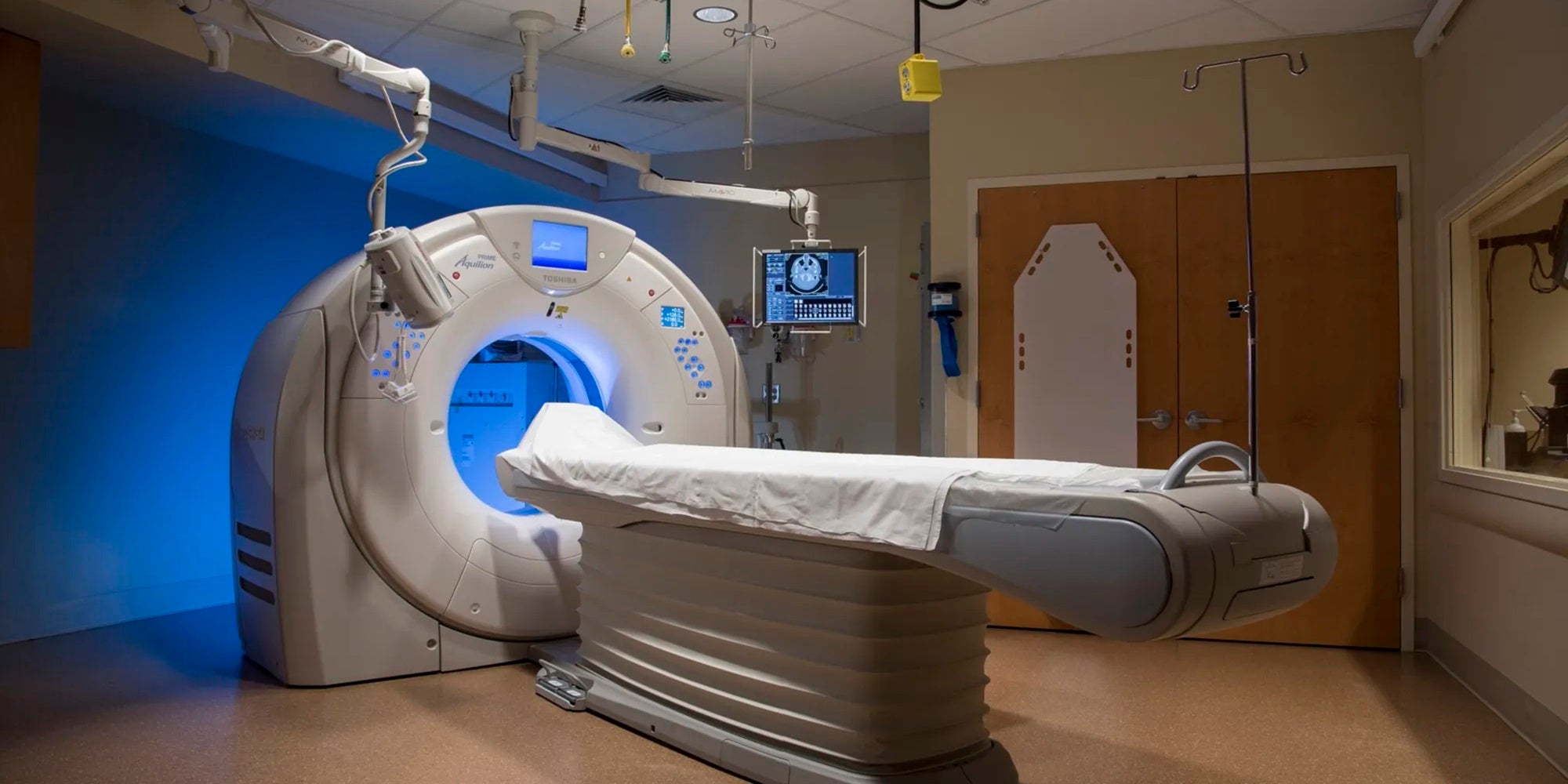
What is Radiation Therapy?
Radiation therapy uses high-energy X-rays or particles to treat cancer. It works by:
- Killing cancer cells
- Slowing or stopping their growth
Doctors have studied this treatment for many years. Today, it is a common and effective way to treat cancer.
Where Do I Start with Treatment?
First, you will meet with a radiation oncologist (a doctor who specializes in radiation therapy).
- You will talk about whether this treatment is right for you
- If you move forward, you will have a longer meeting to plan your care
During this visit, you will discuss:
- The exact area to be treated
- How much radiation you will receive
- How long treatment will last
- Possible side effects
You can also ask any questions you have. Your treatment plan is made just for you.
How Do I Prepare for Treatment?
Before your first treatment, you will have a simulation appointment (planning visit). This usually takes 1 to 2 hours.
During this visit:
- You will lie on a table while the care team maps out the treatment area
- Small dots will be placed on your skin using ink (like tiny tattoos)
- You will have a CT scan to help plan your treatment
You will not receive radiation during this appointment.
What Happens During Treatment?
Each time you come in:
- Check in at the front desk
- Change clothes if needed
- Wait until you are called
During treatment:
- You will lie on a table
- The therapist will use the marks on your skin to guide the treatment
- You need to stay still, but you can breathe normally
Most treatments take about 10–15 minutes.
What Are the Side Effects?
Side effects can vary based on your treatment.
It’s important to:
- Talk to your doctor, nurse, or therapist about any concerns
- Ask how to manage side effects if they happen
How Often Will I See My Doctor?
You will see your oncologist:
- Regularly during treatment
- Anytime you request or have concerns
Always speak up if you have questions.
How Might I Feel Emotionally?
It’s normal to feel:
- Nervous
- Worried
- Anxious
Many people feel better once they get used to the treatment process.
Support is available:
- Talk to your care team
- Meet with a social worker
- Join a support group
- Have one-on-one counseling if needed
Final Tip
You are not alone. Your care team is there to support you physically and emotionally throughout your treatment.
Related Providers

Lindsay Sales, MD
Radiation Oncology
Accepting New Patients
Saint Alphonsus Medical Group

Joseph Brooks, MD
Radiation Oncology
Accepting New Patients
Saint Alphonsus Medical Group

Camille Berriochoa, MD
Radiation Oncology
Accepting New Patients
Saint Alphonsus Medical Group