
Breast Cancer
What is Breast Cancer?
Breast cancer is a disease that starts in the breast. It can begin in one breast or both. It happens when cells in the breast start to grow in an abnormal and uncontrolled way.
It mostly affects women, but men can get it too.
Not all breast lumps are cancer. Many breast lumps are benign, which means they are not cancer. Benign tumors do not spread to other parts of the body and are usually not life threatening. However, some benign breast lumps can raise a person’s risk of developing breast cancer in the future.
Any lump, change, or unusual feeling in the breast should be checked by a healthcare professional. Testing helps determine whether a lump is benign or cancerous and whether it could affect future cancer risk.
Types
There are several types. The type depends on which cells in the breast are affected.
Most are carcinomas, which form in the cells that line organs. The most common types are called adenocarcinomas. These start in the gland cells found in the milk ducts or the lobules, which make milk. Two common examples are:
- Ductal carcinoma in situ (DCIS)
- Invasive breast cancer
Some rare cancers, such as angiosarcoma or sarcoma, can also grow in the breast. However, these are not considered breast cancer because they start in different types of cells.
How It Is Classified
After a biopsy, cancer cells are tested in a lab. Doctors look for certain proteins and genes that help guide diagnosis and treatment. These include:
- Estrogen receptors
- Progesterone receptors
- HER2 protein or gene
The cancer cells are also given a grade, which shows how abnormal the cells look and how fast they may grow.
The results of these tests help doctors determine:
- The stage of the cancer
- The best treatment options
Risk Factors You Cannot Change
Some risk factors cannot be controlled. These include:
- Getting older — The risk increases with age. Most cases are diagnosed with people over age 50.
- Inherited gene changes — Some people are born with genetic changes (mutations), such as BRCA1 or BRCA2, which increase the risk.
- Reproductive history — Starting menstrual periods before age 12 or going through menopause after age 55 means longer exposure to certain hormones. This longer exposure can increase risk.
- Dense Breast Tissue — Dense breasts have more connective tissue and less fatty tissue. This can raise the risk and make tumors harder to see on a mammogram.
- Personal history of breast disease — People who have had it before, or certain non-cancerous breast conditions, may have a higher risk.
- Family history — Having close family members who have had breast or ovarian cancer increases risk.
- Past radiation treatment — People who received radiation therapy to the chest or breast area before age 30—such as treatment for Hodgkin’s lymphoma—have a higher risk of developing it later in life.
Risk Factors You Can Change
Some factors that increase risk are linked to lifestyle and personal choices. These are things many people can change:
- Not being physically active — Regular physical activity helps lower risk. Being inactive can increase risk.
- Being overweight or obese after menopause — Gaining weight after menopause can raise risk, especially excess body fat.
- Taking certain hormones — Some types of hormone replacement therapy used during menopause, especially those that contain both estrogen and progesterone—can increase risk if taken for more than five years.
- Reproductive history — Having a first pregnancy after age 30, not breastfeeding, or never having a full-term pregnancy can increase risk.
- Drinking alcohol — Drinking alcohol increases risk. The more alcohol consumed, the higher the risk.
- Other possible risk factors — Research suggests that smoking, exposure to cancer-causing chemicals, and changes in hormones linked to working night shifts may also increase risk.
Screening
Screening cannot prevent it, but it can help find it early. When it is found early, it is often easier to treat. There are several ways to screen for it.
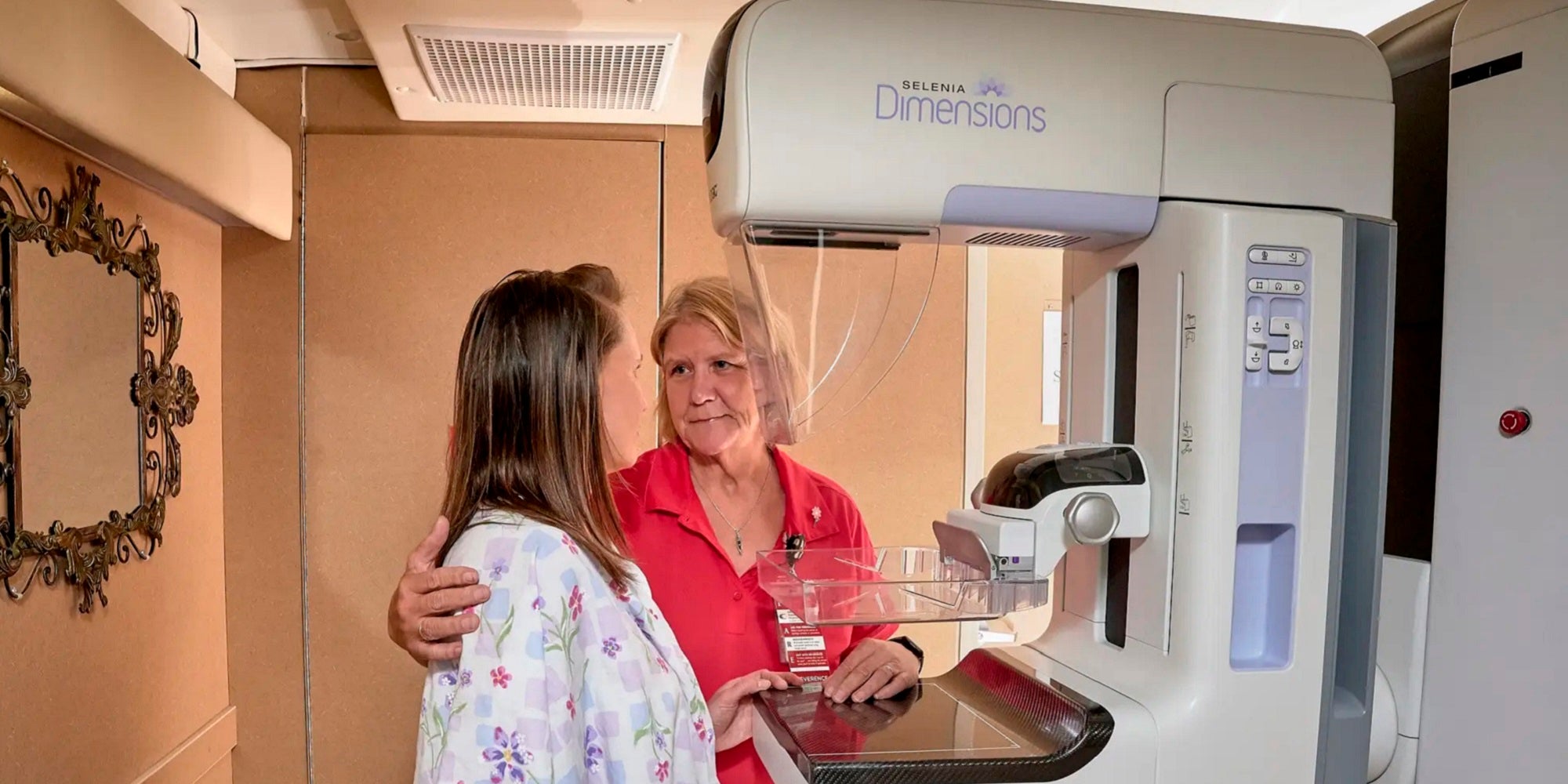
Mammogram — A mammogram is an X ray of the breast. For many women, it is the best way to find it early—before it can be felt or causes symptoms. Getting regular mammograms can lower the risk of dying. Today, mammograms are the most effective screening tool for most women of screening age.
Breast Magnetic Resonance Imaging (MRI) — A breast MRI uses magnets and radio waves to create detailed pictures of the breast. Breast MRIs are used along with mammograms for women who have a high risk of developing breast cancer. MRIs can sometimes show changes even when there is no cancer, so they are not recommended for women at average risk.
Clinical Breast Exam— A clinical breast exam is done by a doctor or nurse. During the exam, the provider uses their hands to check the breasts for lumps or other changes.
Breast Self-Awareness — Knowing how your breasts normally look and feel can help you notice changes such as lumps, pain, or changes in size or shape. If you notice any changes, you should report them to your doctor or healthcare provider right away.
Screening Guidelines
- Women ages 40 to 54 should have a mammogram every year
- Women 55 and older should have a mammogram every two years, or they may choose to continue yearly screening
- Screening should continue if a woman is in good health and is expected to live 10 years or longer
- Some women may need both mammograms and MRIs because of family history, genetic risk, or other factors. This group is small. Talk with a healthcare provider about your personal risk and the screening plan that is best for you