Reconstructive surgery restores the appearance or function of an area affected by surgery, injury, or illness. This may include breast reconstruction or repair of other body areas.
At Saint Alphonsus, our Plastic and Reconstructive Surgeon offers a number of different types of reconstructive surgeries that can help improve the problem, whatever it may be.
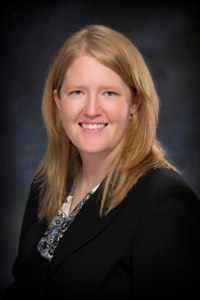 Linsey Etherington, MD is a Plastic and Reconstructive Surgeon who has completed advanced training in the latest plastic surgery techniques. This highly skilled surgeon provides leading edge expertise in plastic and reconstructive surgery, offering a wide range of services including:
- Breast surgery and breast reconstruction
- Facial reconstruction
- Chest, trunk, and limb reconstruction
- Wound care and skin repair
- Flap surgery
Reconstruction can be performed immediately or at a later time, depending on your treatment plan.
Breast Reconstruction
Breast reconstruction can help restore the look and feel of the breast after removal. For many women this is a very important option. At Saint Alphonsus Women's Specialty Care Center, Dr. Etherington offers immediate breast reconstruction (a procedure done at the same time as breast removal surgery) or delayed reconstruction (done at a later date). Reconstruction can be performed immediately or at a later time, depending on your treatment plan. If you are interested in this option you will need to discuss your options with both Dr. Etherington, your breast surgeon, and your oncologist in advance.
Breast Reduction Surgery
Also known as reduction mammoplasty, breast reduction surgery removes excess breast fat, glandular tissue and skin to achieve a breast size in proportion with your body and to alleviate the discomfort associated with overly large breasts. Most women who get breast reduction are very satisfied with the results. Men with conditions such as gynecomastia (in which male breasts are abnormally enlarged) may also get breast reduction.
Trunk and Extremity Reconstruction
This procedure is performed to reconstruct an area of the chest wall, to cover a defect of the abdomen created by injury or surgical resection, or to reconstruct complex pressure wounds. Reconstructive techniques and strategies vary greatly depending on whether we are covering spinal implants for neurosurgery patients or restoring the ability to walk to a trauma victim.
Wound Care
For individuals who have been severely burned or cut, skin grafts or other reconstructive techniques are available.
Flap Surgery
Flap reconstruction surgery is a procedure that involves moving healthy, live tissue from one location of the body to another, often to areas that have lost skin, fat, muscle movement, and/or skeletal support. Flap surgery can be used for procedures such as breast reconstruction or trunk and extremity reconstruction. It may also be used to augment facial/nasal reconstruction.
For more information, or to schedule an appointment with Dr. Etherington, call 208-302-2200.