
Skin Cancer Prevention
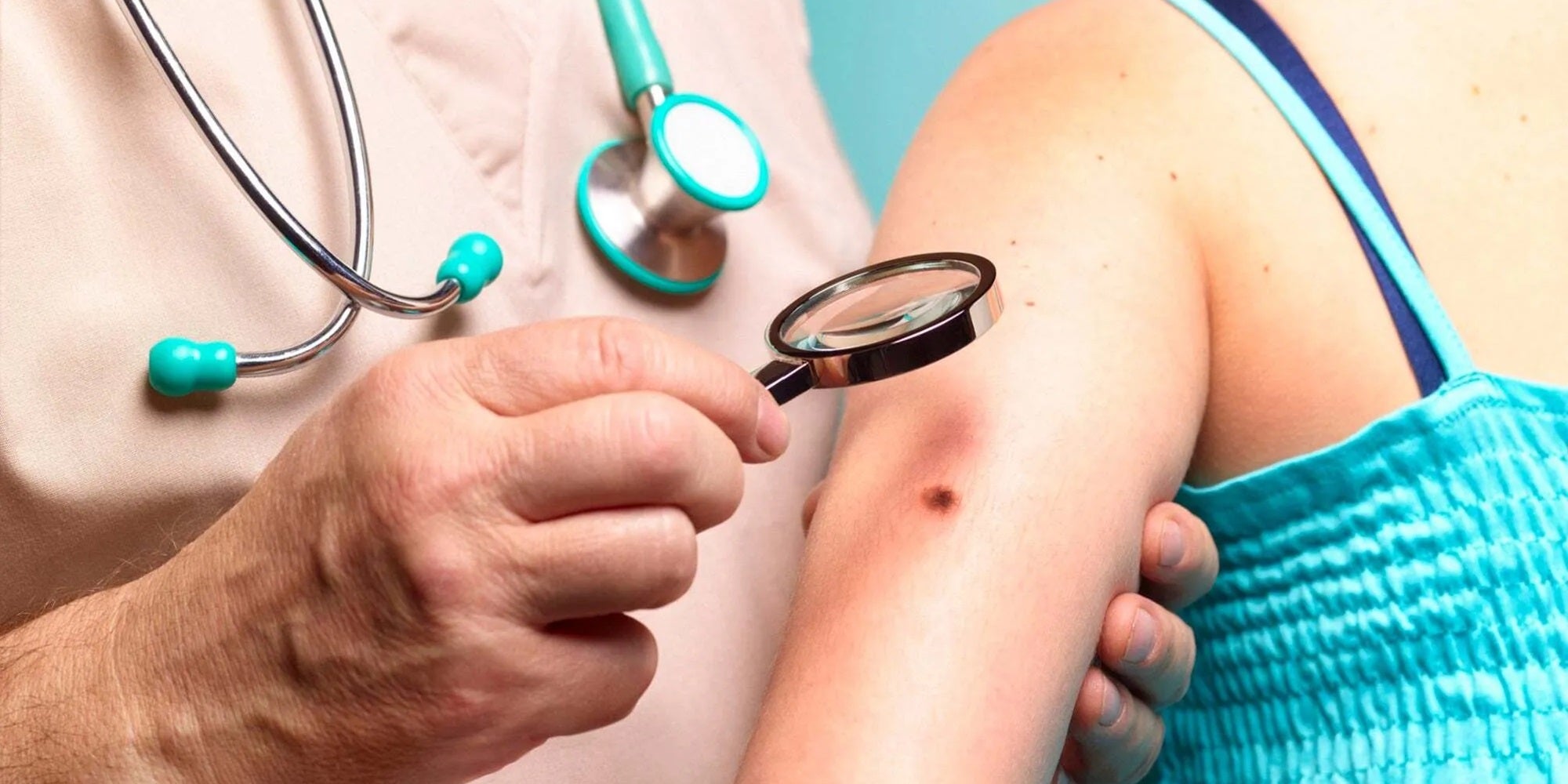
What Is Skin Cancer?
Skin cancer is the most common type of cancer in the United States. Anyone can get skin cancer, but some people have a higher risk. The most common cause is too much exposure to ultraviolet (UV) light from the sun or tanning beds.
Risk Factors for Skin Cancer
Some people are more likely to get skin cancer, including those who have:
- Light-colored skin
- Skin that burns or freckles easily
- Blue or green eyes
- Blond or red hair
- Many moles or certain types of moles
- A family history of skin cancer
- A personal history of skin cancer
- Older age
Practice Sun Safety
UV rays can damage your skin all year long—not just in the summer. They can pass through clouds and reflect off surfaces like water, sand, and snow. UV rays are strongest between 10 a.m. and 4 p.m.
To protect your skin:
- Stay in the shade when possible
- Wear clothing that covers your arms and legs
- Wear a wide-brimmed hat to protect your face, head, ears, and neck
- Wear sunglasses that block UV rays
- Use sunscreen with SPF 15 or higher
Avoid Indoor Tanning
Tanning beds expose your skin to strong UV rays, which can lead to skin cancer and other health problems.
- A tan does not mean healthy skin—it is a sign of damage
- A “base tan” does not protect you from sunburn
- Indoor tanning can cause burns and injuries
Signs of Skin Cancer
The most common sign of skin cancer is a change in your skin. This could include:
- A new growth
- A sore that will not heal
- A change in an existing mole
Not all skin cancers look the same, so it is important to watch for changes.
Warning Signs of Melanoma
You can remember the signs of melanoma using A-B-C-D-E:
- A – Asymmetry: One half of the mole does not match the other
- B – Border: The edges are uneven or jagged
- C – Color: The color is uneven or has different shades
- D – Diameter: The spot is larger than a pea
- E – Evolving: The mole is changing in size, shape, or color
If you notice any of these signs, talk to your doctor as soon as possible. Early detection can make a big difference.