
Cancer Clinical Trials
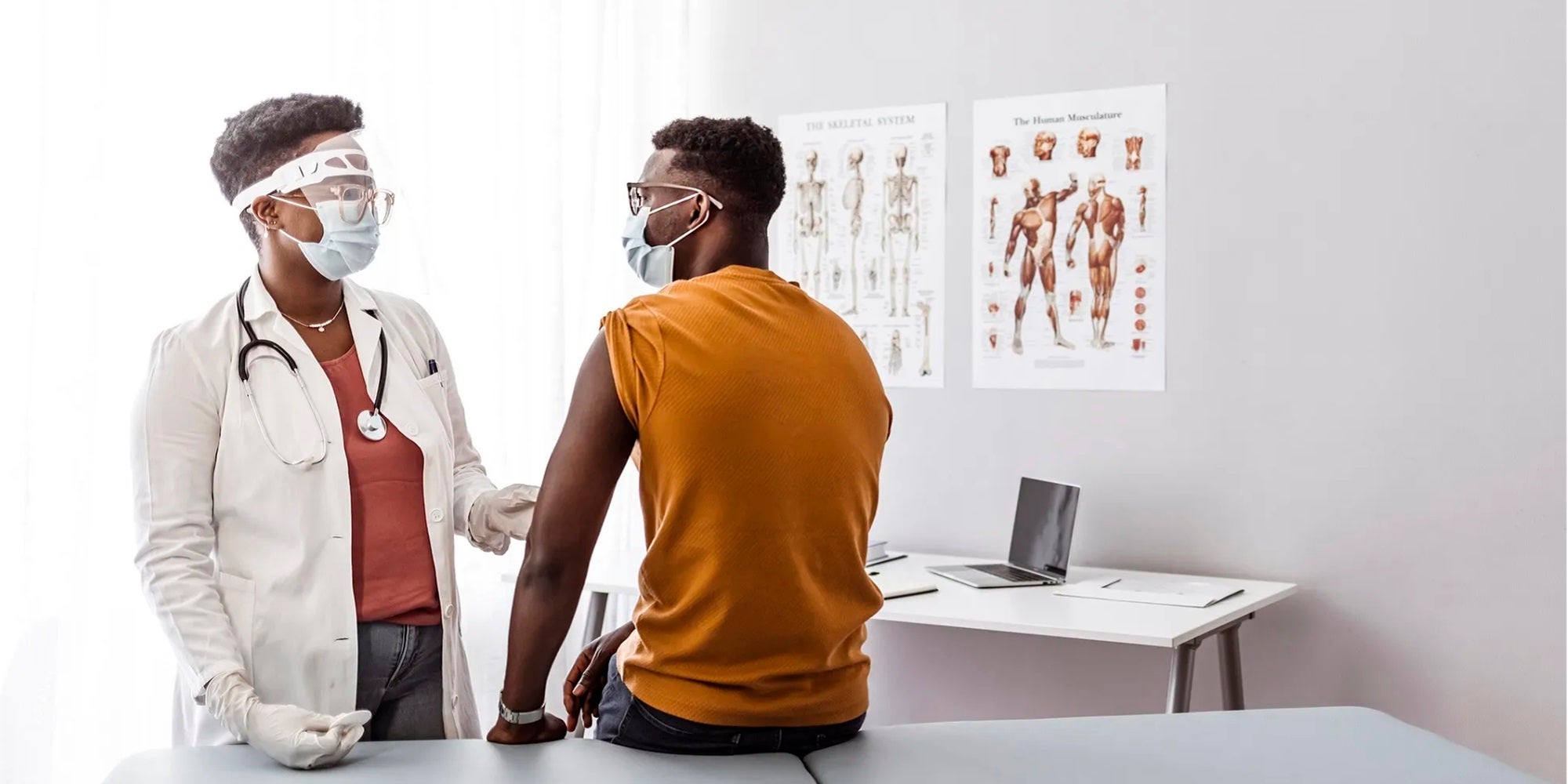
Saint Alphonsus Cancer Institute is a leader in cancer research and clinical trials. Clinical trials help doctors find better ways to prevent, diagnose, and treat cancer.
We offer many types of trials, including:
- Phase II–III and Phase II–IV trials
- Access to National Cancer Institute (NCI) trials through NCORP
- Trials for rare diseases and rare genetic conditions
- National and international research studies
- Early-stage trials, including Phase I trials and the SMMART trial
- Clinical research opportunities at all clinic locations
Why Join a Clinical Trial?
There are several possible benefits:
- Access to new treatments or medications not widely available
- Helping doctors learn more about cancer and improve treatment for others
- Taking an active role in your healthcare
Before you start, your care team will make sure you fully understand the risks and benefits.
We provide access to a wide variety of research studies. Nearly 150 studies are open to enrollment. We screen our patients daily to find appropriate matches. Clinical drug trials have a variety of goals such as testing new treatments, combinations of treatments, and dosing. We also offer a variety of intervention trials that may help patients control the symptoms of cancer and improve quality of life.
What Happens During a Clinical Trial?
If you join a trial, you will be cared for by a team that may include:
- Doctors
- Nurses
- Social workers
- Dietitians
- Other health professionals
They will closely monitor your health and progress.
What Are Clinical Trials?
Clinical trials are research studies that involve volunteers. They are used to:
- Test if new treatments are safe and effective
- Find new uses for existing treatments
Clinical trials have helped create many important medical advances. However, it’s important to know that no one knows for sure if a new treatment will work.
Why Consider Volunteering?
You might consider joining if:
- You want access to a promising new treatment
- Standard treatments are not working
- You want to help future patients through research
What Are the Risks?
There are some risks to consider:
- The treatment may not work
- You might receive the standard treatment or a placebo (a pill with no active medicine)
- Side effects may be unknown or unexpected
How Can You Protect Yourself?
Before joining a trial, ask questions like:
- What is the purpose of the study?
- Who is running the study?
- What are the risks and benefits?
- What happens if I get hurt during the study?
- How will my privacy be protected?
You will receive an informed consent form with all the details. Important: You can leave a clinical trial at any time, for any reason.
Safety Protections
Every clinical trial in the U.S. must be reviewed and approved by an Institutional Review Board (IRB).
- This group includes doctors, scientists, and community members
- They make sure the study is as safe as possible
- They check that the benefits are worth the risks
Who Can Join a Clinical Trial?
Each trial has rules about who can take part, based on things like:
- Age
- Health status
- Medical history
Some trials are for people with certain conditions, while others look for healthy volunteers.
Where Can You Learn More?
You can find information about clinical trials at:
You can also talk to your oncologist to see if a clinical trial is right for you.