
Robotic Surgery: Less Pain, Faster Recovery
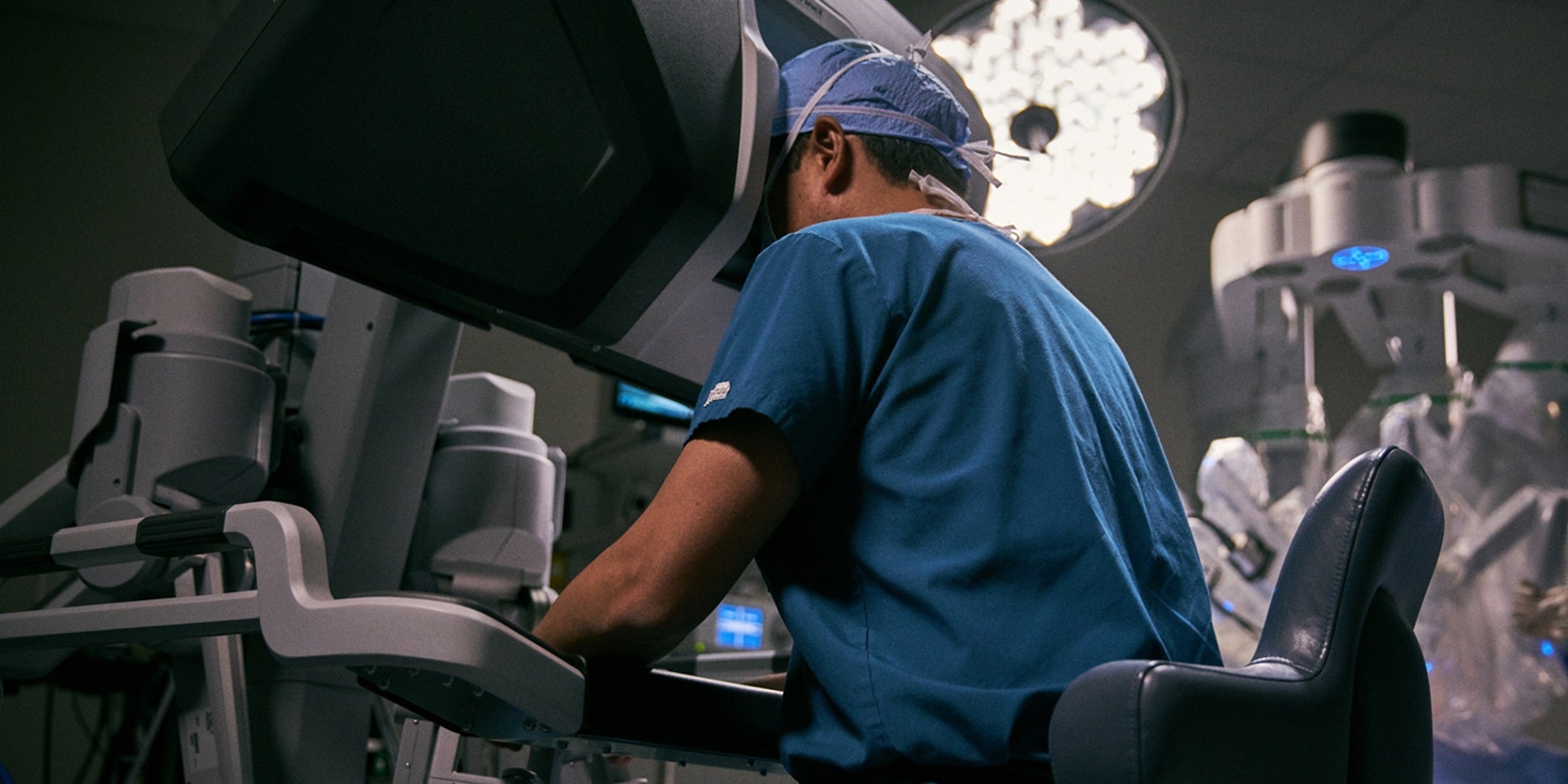
Advanced Robotic Surgery at Saint Alphonsus
At Saint Alphonsus, we use advanced robotic-assisted surgery to help surgeons perform procedures with greater accuracy through smaller incisions. This often leads to faster recovery, fewer complications, and better results for patients.
We are proud to bring the latest robotic surgery technology to patients across the Treasure Valley and Eastern Oregon.
Benefits of Robotic Surgery

Less Invasive
Robotic surgery uses smaller incisions than traditional surgery, which means less impact on the body.

Less Pain
Smaller incisions and less damage to nearby tissue can lead to less pain after surgery.

Less Scarring
Because the incisions are smaller, scarring is often less noticeable.

Lower Risk of Complications
Greater precision can help reduce blood loss and lower the risk of certain complications.

Faster Recovery
Many patients experience shorter hospital stays, quicker healing, and a faster return to daily activities.

Better Visibility
High-definition, 3D imaging gives surgeons a clearer view of the area being treated.

Greater Precision
Enhanced accuracy helps surgeons perform procedures more precisely, which can support better patient outcomes.
About Robotic-Assisted Surgery
Robotic-assisted surgery is an advanced surgical approach that enables surgeons to perform complex procedures with enhanced precision, flexibility, and control. Using specialized instruments and high-definition imaging technology, surgeons can make highly controlled movements while operating through small incisions.
These surgical systems provide magnified 3D visualization of the surgical site and advanced technology designed to support accuracy during delicate procedures. Features such as improved visualization and instrument control may help surgeons perform procedures more effectively while potentially reducing trauma to surrounding tissues and supporting recovery.
Robotic-assisted surgical systems typically include three main components:
- Surgeon Console: The workstation where the surgeon controls the surgical instruments and camera.
- Patient Cart: Positioned next to the patient and equipped with the camera and surgical instruments used during the procedure.
- Imaging and Control System: Supports communication between system components and provides the visual technology needed during surgery.
This technology does not operate independently. The surgeon remains in full control throughout the procedure and directs every movement of the instruments in real time.
Robotic-Assisted Procedures We Offer
Our experienced surgical team will work with you to determine whether robotic-assisted surgery is the right option for your condition and treatment goals.