
Angioplasty and Stenting
What Is Angioplasty?
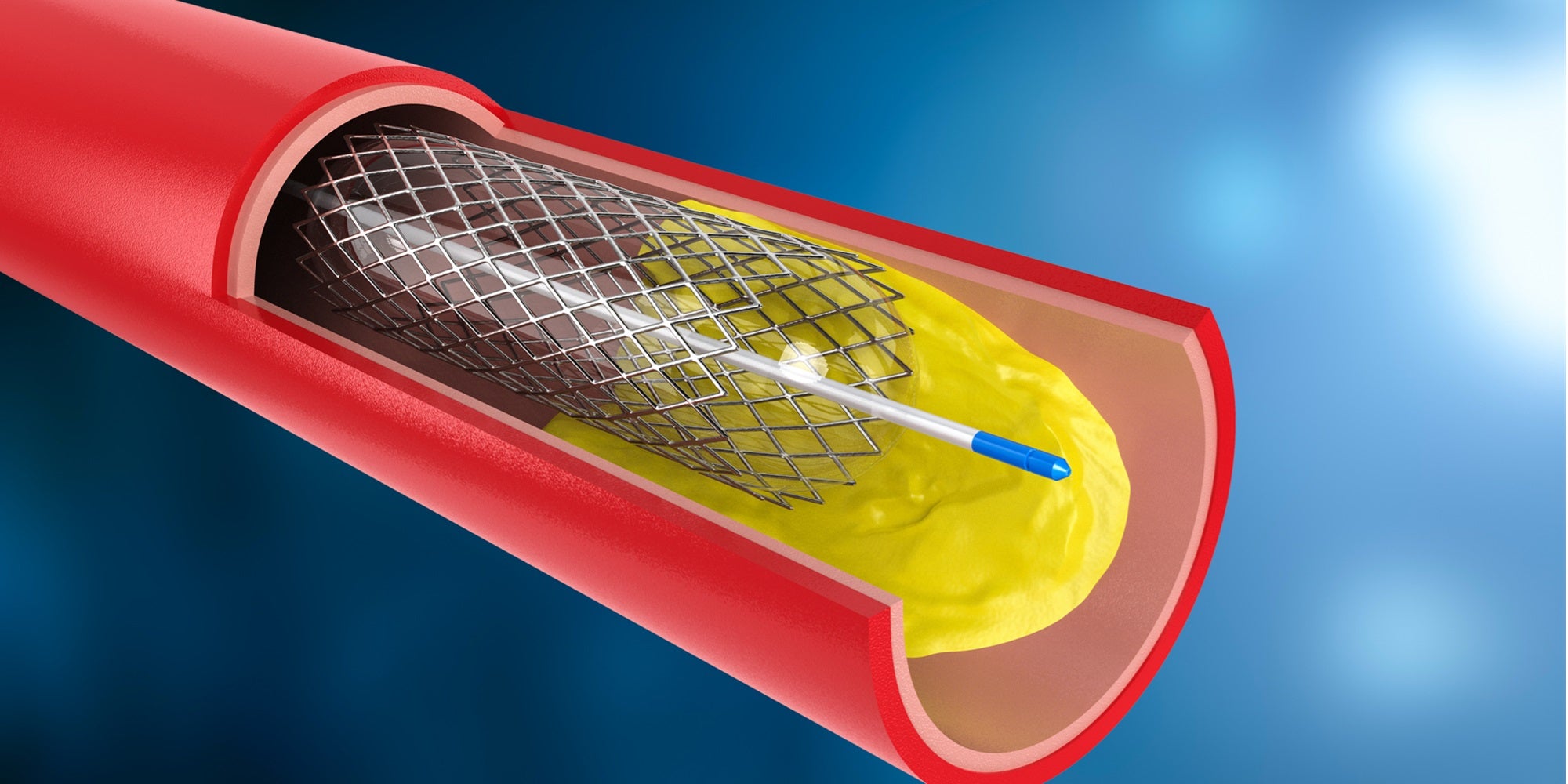
Angioplasty is a minimally invasive procedure used to open arteries that have become narrowed or blocked. Instead of performing surgery, a cardiologist inserts a thin tube called a catheter into a blood vessel and guides it to the affected artery. Once the catheter reaches the blockage, a small balloon is inflated to widen the artery and improve blood flow.
In many cases, a stent is also placed during the procedure. A stent is a small metal mesh tube that helps keep the artery open after treatment and supports healthy blood flow.
Why Is Angioplasty Performed?
Angioplasty is commonly used to treat narrowed or blocked arteries in the heart, but it can also be used in other parts of the body. Conditions that may lead to blocked arteries include:
- Atherosclerosis (buildup of plaque in the arteries)
- High blood pressure caused by narrowed kidney arteries
- Peripheral artery disease (PAD)
- Narrowing of the carotid arteries in the neck
How the Procedure Works
The procedure usually begins with the insertion of a small tube into a blood vessel in the wrist or groin. A catheter is then guided through the blood vessels to the heart. Doctors inject a special dye that allows them to see the arteries on X-ray images and identify any blockages.
Once the blockage is found, a balloon is moved into position and inflated to widen the artery. Some patients may feel temporary discomfort while the balloon is inflated. If a stent is needed, it is placed through the same catheter and expanded into position to help keep the artery open.
After the procedure, blood-thinning medication may be prescribed to help prevent blood clots from forming around the stent.
Preparing for the Procedure
Before your procedure, your doctor will ask about:
- Allergies to medications, latex, dye, or anesthesia
- Current and past medical conditions
- Prescription medications, over-the-counter medicines, and supplements you take
Most patients are asked not to eat for several hours before the procedure. On the day of treatment, you may have blood tests and an electrocardiogram (EKG), and an IV will be placed to provide fluids and medication to help you relax.
Recovery and Aftercare
Because angioplasty is minimally invasive, recovery is often quick. Many patients return to normal activities within about a week. Your doctor may recommend avoiding driving, heavy lifting, and strenuous activity for several days after the procedure.
You may be encouraged to:
- Drink plenty of fluids to help clear the contrast dye from your body
- Follow a heart-healthy eating plan
- Take prescribed medications as directed, including blood thinners if recommended
Possible Risks
Angioplasty is generally safe, but like any medical procedure, it has some risks. Possible complications include:
- Bleeding or bruising where the catheter was inserted
- Infection
- Blood clots
- Irregular heart rhythms, such as atrial fibrillation (AFib)
- Chest pain
- Rare damage to the artery being treated
Most complications are uncommon and can often be treated successfully if they occur.
What Results Can You Expect?
A successful angioplasty can improve blood flow and help reduce symptoms such as chest pain, shortness of breath, and fatigue. However, the procedure does not cure heart disease. Long-term heart health depends on continuing healthy lifestyle habits and following your doctor's treatment plan.
To help protect your heart after treatment, your doctor may recommend:
- Lowering cholesterol levels
- Following a heart-healthy diet, such as the DASH or Mediterranean d
- Exercising regularly
- Quitting smoking
- Managing stress
If you experience ongoing chest pain or other concerning symptoms after you return home, seek medical attention right away.