
Smoke in the Air: Protect Your Lungs Effectively
August 4, 2026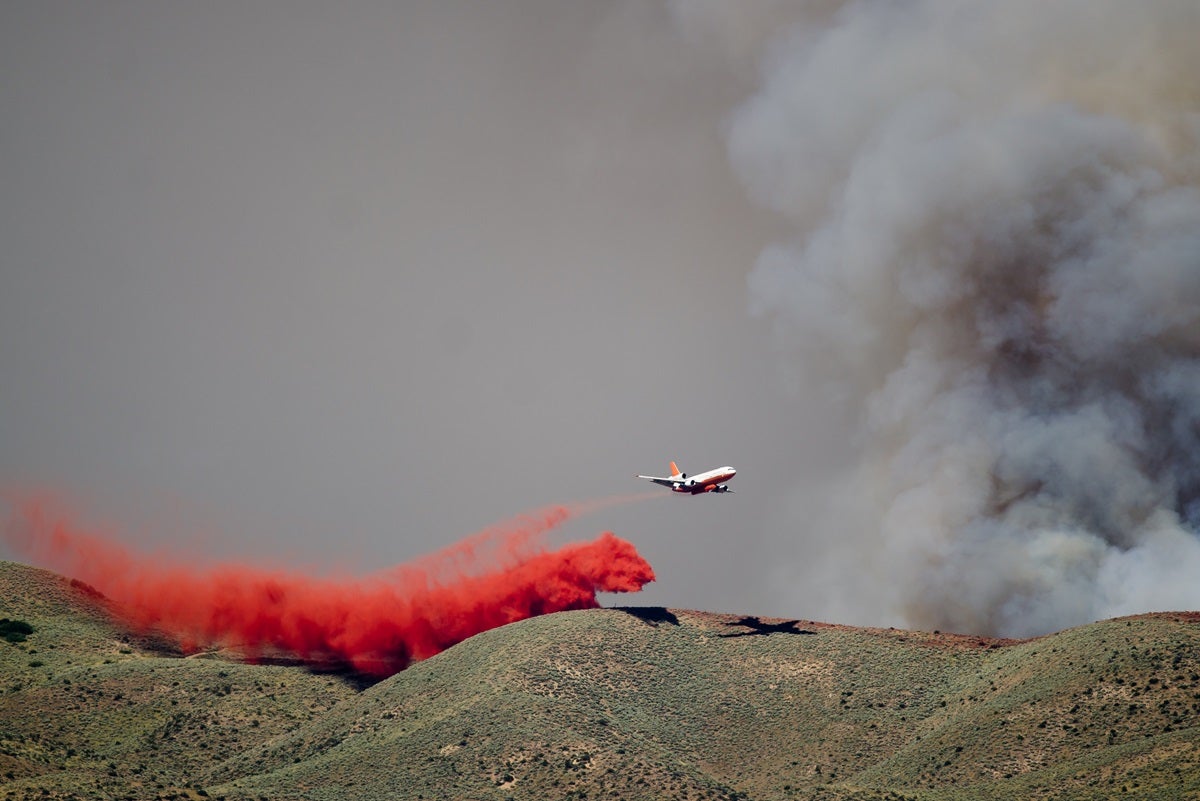
By: Saint Alphonsus Marketing Team
Categories: Community
As wildfire smoke continues to impact air quality across the Treasure Valley and Eastern Oregon, many are noticing more than just hazy skies. For some, smoky conditions can trigger coughing, shortness of breath, irritated eyes, and worsening symptoms of existing respiratory conditions.
In a recent interview with KTVB, Dr. Wesley Pidcock, a pulmonologist with Saint Alphonsus, discussed the health effects of poor air quality and shared practical steps people can take to protect themselves when smoke levels rise.
Why Air Quality Matters
When wildfire smoke fills the air, it contains tiny particles that can travel deep into the lungs. While anyone can be affected, people with asthma, COPD, heart disease, or other chronic health conditions are often the most vulnerable. Children, adults over the age of 65 years old, and individuals with compromised respiratory systems may also experience more severe symptoms during periods of poor air quality.
Even healthy individuals may notice throat irritation, coughing, headaches, or difficulty exercising outdoors when air quality reaches unhealthy levels.
Who Should Be Most Concerned?
According to Dr. Pidcock, individuals with underlying lung conditions should take extra precautions when air quality deteriorates. Those who rely on inhalers or other respiratory medications should ensure their prescriptions are current and readily available, especially during wildfire season.
If symptoms worsen or become difficult to manage, it's important to contact a healthcare provider promptly.
Practical Ways to Protect Yourself
The good news is that there are several effective ways to reduce exposure to harmful smoke particles.
Stay Indoors When Possible
Limiting outdoor activities during periods of poor air quality can help reduce the amount of smoke you breathe. Consider moving workouts indoors or rescheduling strenuous outdoor activities until conditions improve.
Use Air Filtration
Running high-quality air filters in your home can help remove smoke particles from indoor air. Keeping windows and doors closed while operating air conditioning or filtration systems can also help maintain cleaner indoor air.
Wear a Mask Outdoors
If you need to spend time outside, a properly fitted N95 mask can help reduce exposure to airborne particles. Dr. Pidcock recommended masks as one of the key tools for protecting yourself during smoky conditions.
Stay Current on Medications
For people with asthma, COPD, or other chronic respiratory conditions, having medications readily available is especially important during smoke events. Make sure rescue inhalers, maintenance medications, and other treatments are up to date and easily accessible.
Know When to Seek Medical Attention
While mild irritation can be common during poor air quality events, more serious symptoms should not be ignored. Seek medical care if you experience:
- Significant shortness of breath
- Chest pain
- Severe wheezing
- Symptoms that do not improve indoors
- Worsening respiratory symptoms despite using prescribed medications
Preparing for Idaho's Wildfire Season
Wildfire smoke has become an increasingly common part of summer in the West. By monitoring local air quality reports, reducing exposure, and taking preventive measures early, residents can better protect their lung health when smoky conditions develop.
Simple actions such as using air filters, wearing masks, and keeping medications current can go a long way toward reducing the health impacts of poor air quality.
Watch the full clip of Dr. Pidcock's interview at ktvb.com.
