
Fall Prevention for Active Adults: Staying Safe While Staying Independent
November 18, 2026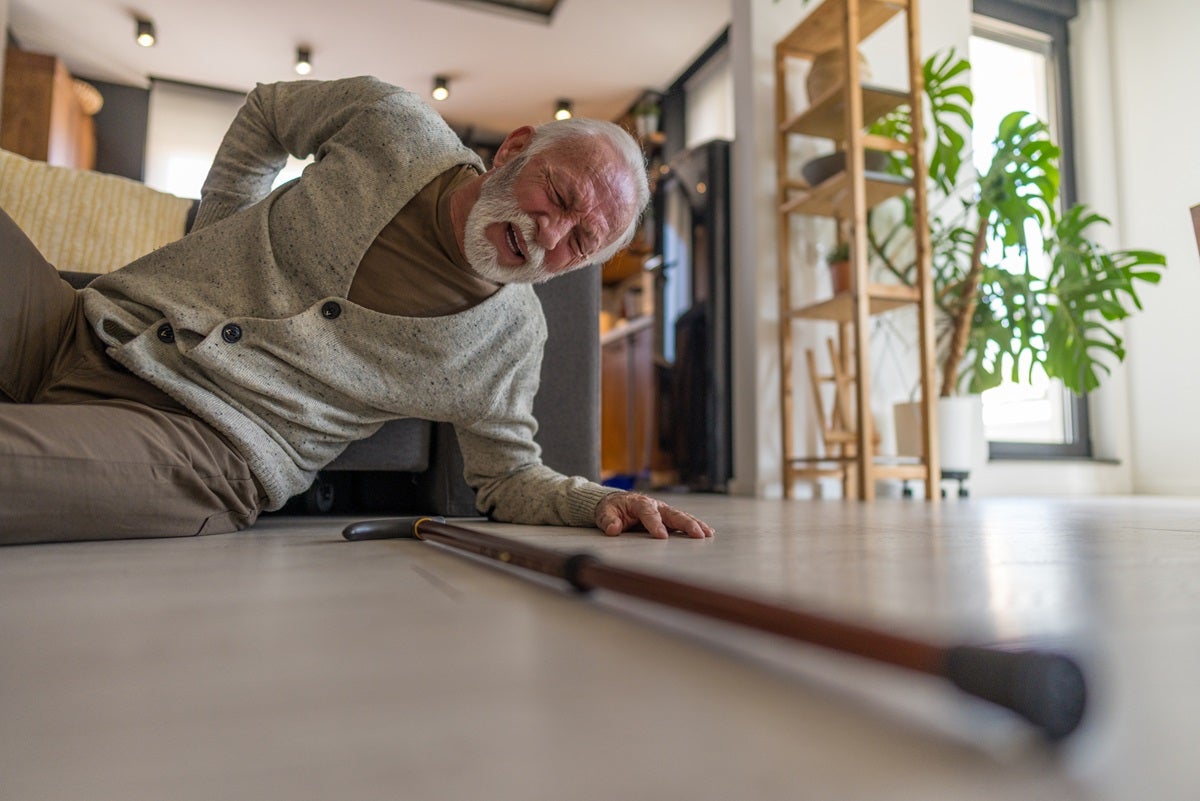
Categories: Geriatrics, Wellness
Whether you're running errands, exercising, playing Pickleball, tackling yardwork, or simply staying active in your community, movement is one of the best ways to support your physical and cognitive health. But as activity levels increase, so does the risk of falls if proper precautions aren't taken.
Falls are a leading cause of injury among older adults and can result in fractures, head injuries, loss of confidence, and reduced independence. The encouraging news is that many falls can be prevented through regular exercise, safer movement habits, environmental awareness, and support from healthcare professionals.
Why Falls Happen During Active Moments
Many falls occur during situations that require balance, quick movements, divided attention, or changes in terrain. Walking through crowded areas, navigating stairs, crossing uneven ground, exercising, performing household chores, or participating in recreational sports can all increase fall risk.
The goal isn't to avoid activity. In fact, staying active is one of the best ways to maintain strength, mobility, confidence, and independence. The key is learning how to move safely and intentionally.
Build Strength and Balance
Research consistently shows that balance-focused exercise is one of the most effective ways to reduce fall risk. Regular practice helps improve stability, coordination, and reaction time during everyday activities and recreational exercise.
Helpful activities may include:
- Sit-to-stand exercises
- Heel raises
- Stepping drills
- Tandem balance exercises
- Safe turning practice
- Tai Chi
- Physical therapy-guided balance training
For many people, a physical therapist can help create a personalized plan that matches individual abilities and goals. Structured programs can improve confidence while helping reduce the risk of future falls.
Prepare Before You Move
A few minutes of preparation before an activity can make a significant difference.
Before heading out or starting an exercise session:
- Check for trip hazards such as loose rugs, cords, clutter, pets, wet surfaces, or uneven pavement.
- Wear supportive shoes with good traction.
- Ensure assistive devices, such as a cane or walker, are available and adjusted correctly if recommended.
- Identify places where you can safely stop and rest if needed.
- Make sure lighting is adequate and pathways are clear.
Stay Focused During Activity
Many falls happen when people rush, multitask, or change direction suddenly.
To improve safety:
- Pause briefly after standing before walking.
- Stop before turning whenever possible.
- Avoid texting, reading, or looking at your phone while moving.
- Keep your hands free on stairs, curbs, and uneven ground.
- Use shorter, more deliberate steps when crossing obstacles or navigating challenging surfaces.
- Allow extra time so you don't feel rushed.
A simple reminder can help: "Stop, then turn."
Pay Attention to Health Factors
Physical activity is important, but health conditions can also affect balance and stability.
Talk with your healthcare provider if you experience:
- Dizziness or lightheadedness
- Vision changes
- Foot pain or numbness
- Balance concerns
- Falls or near-falls
- Fear of falling that limits activity
Medication reviews, vision exams, proper footwear, hydration, and management of underlying health conditions can all play important roles in preventing falls.
Ask your doctor if any of your medications increase your risk of falls. Be aware that many over the counter medications for sleep and allergies can increase fall risk.
Common High-Risk Situations
Even highly active individuals should take extra care during moments that commonly lead to falls:
- Getting up quickly from a chair or bed
- Crossing doorways and thresholds
- Walking on wet, icy, or uneven surfaces
- Navigating crowded sidewalks or intersections
- Participating in sports and recreational activities that require sudden changes in movement
Slowing down and staying aware of your surroundings can help reduce risk while allowing you to remain active and engaged.
Staying Active Safely
Fall prevention isn't about doing less. It's about doing the things you enjoy with greater confidence and safety. By maintaining strength and balance, addressing health concerns, preparing for activity, and practicing safer movement habits, you can continue enjoying an active lifestyle while reducing your risk of injury.
Learn More About Memory Care and Healthy Aging
Cognitive changes, balance concerns, and mobility challenges can all affect a person's risk of falls. The Saint Alphonsus Memory Center provides evaluation, treatment, education, and support for individuals and families navigating memory-related conditions.
