
Counterfeit Car Seats: Keeping Your Baby Safe
August 25, 2026
By: Christina Babin
Categories: Pediatrics
Babies are some of the most important members of our community, and keeping them safe starts with their very first ride home from the hospital. A properly made infant car seat can help protect a baby during a crash.
Recently, more counterfeit (fake) car seats have been found in the Treasure Valley. Because of this, it is important for parents and caregivers to know how to tell the difference between a safe, federally approved car seat and a dangerous fake one.
What is a Counterfeit Car Seat?
A counterfeit car seat is an illegal car seat that has not been tested for crash safety and does not meet federal safety standards.
These fake seats are often made with cheap plastic, weak straps, and poor-quality materials. They also may not have the steel parts needed to protect a child in a crash. Using a counterfeit car seat can greatly increase the risk of serious injury or death.
How to Spot a Fake Car Seat
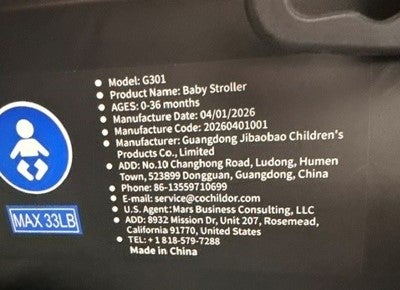
- Missing FMVSS 213 Label: Real car seats have a white, red, and black label showing they meet Federal Motor Vehicle Safety Standard 213 (FMVSS 213). Fake seats often do not have this label.
- Spelling and Grammar Mistakes: Many counterfeit seats have labels with spelling errors, poor grammar, or unusual capitalization.
- No Chest Clip: In the United States, approved car seats have a chest clip that helps keep the harness straps in the correct position. Many fake seats do not include this important part.
- Three-Point Harness Instead of Five-Point Harness: Safe infant car seats use a five-point harness that secures the child at the shoulders, hips, and between the legs. Fake seats may use a less secure three-point harness.
- No Registration Card: Legitimate manufacturers provide a product registration card so owners can be notified about recalls. Counterfeit seats usually do not include one.
- Missing Model and Expiration Information: Real car seats have a label or stamp that includes the model number, manufacturing date, and expiration date. Fake seats may not have this information.
- Poor Construction: Counterfeit seats often feel very light, bend easily, and may seem poorly made compared to approved car seats.
How to Buy a Safe Car Seat
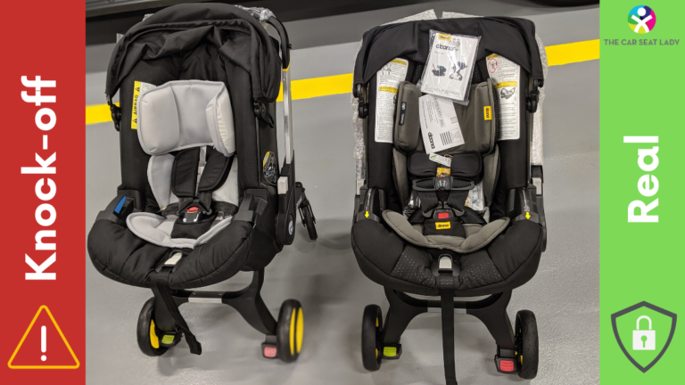
- Buy from Trusted Sellers: Purchase car seats directly from the manufacturer's website or from well-known retail stores. If shopping online, make sure the item is sold and shipped by the retailer and not by a third-party seller.
- Check Approved Car Seat Lists: Verify that the brand and model appear on trusted car seat lists, such as those provided by the American Academy of Pediatrics (AAP).
- Avoid Used Car Seats: Do not buy car seats from thrift stores, garage sales, or online marketplaces because you may not know whether the seat has been involved in a crash or damaged.
What to Do If You Bought a Fake Car Seat
- Stop Using It Right Away: Do not use the seat, even for a short trip. It may not protect your child in a crash.
- Have It Checked: If you are not sure whether your car seat is real, contact a Certified Child Passenger Safety Technician (CPST) or a local hospital program. They can often inspect the seat at no cost.
- Report the Seller: Report the seller to the online marketplace where you purchased the seat and file a complaint with the National Highway Traffic Safety Administration (NHTSA).
Resources and Links
- Before You buy a Seat:
- Car Seat Check Sites:
- Reporting a Counterfeit Car Seat:
- NHTSA—Tell NHTSA anytime you see an unsafe/defective/non-compliant car seat or related product by using this form: https://www-odi.nhtsa.dot.gov/VehicleComplaint or Toll-Free: 1-888-327-4236
- U.S. Department of Commerce — If a counterfeit car seat is spotted, contact this agency. Do this in addition to reporting to NHTSA (above). On this website, under "Contact Us" you can send an email to describe the problem. Be sure to collect as much information as possible (including photos, purchasing info, packing slips, etc.). An agent will follow up by getting in touch with you.
A safe, properly approved car seat is one of the best ways to protect your child. Taking a few extra minutes to check that a car seat is genuine can make a life-saving difference.
Christina Babin is a Saint Alphonsus Family Center Health Educator, Perinatal Bereavement Coordinator, Car Seat Instructor and Colleague Car Team Member.