

February is American Heart Month, and heart disease remains the leading cause of death in the United States. The good news is it’s never too late to make changes that support heart health and help prevent or manage chronic conditions.
The Mediterranean diet is consistently ranked the top diet for heart health and centers around four key “F’s”: Fats, Fiber, Fish, and Fitness.
Fats
Fats support hormone function, help absorb fat soluble vitamins, and provide essential fatty acids. The type of fat we consume matters most. Prioritize sources of healthy fats that provide monounsaturated fats and oleic acid, polyunsaturated fats, and Omega 3 fatty acids.
- The average American should keep saturated fat to <10% of daily calories.
- Individuals with heart disease should limit saturated fat to <6%, per the American Heart Association.
Heart healthy fat sources include:
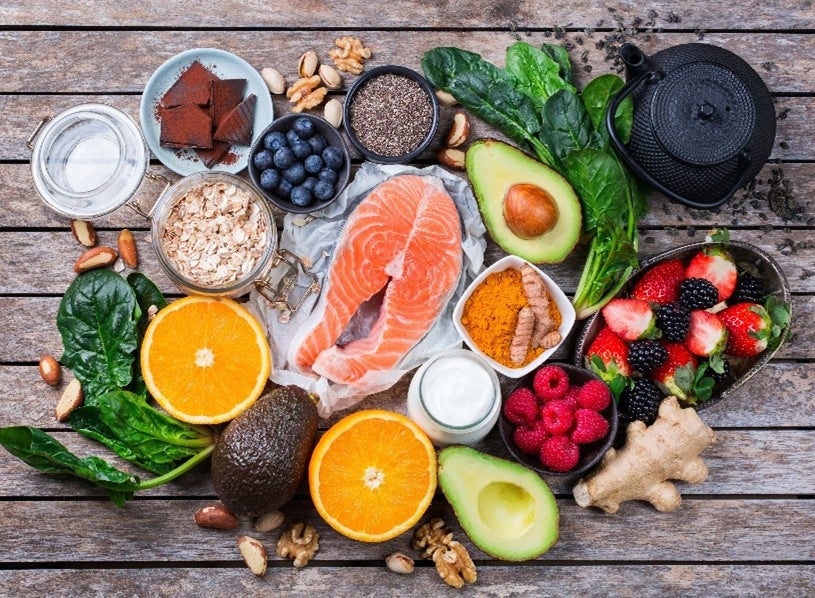
Avocados, extra virgin olive oil, peanut, grapeseed, and avocado oils, nuts and seeds (almonds, macadamia nuts, cashews, peanuts, almond butter, pumpkin seeds, pistachios, chia seeds, ground flaxseed, and hemp seeds), and fatty fish.
Fiber
Fiber is our friend, and most Americans get only about half of the recommended daily fiber. General guidelines:
- Women: at least 25 g/day
- Men: at least 35 g/day
Fiber helps remove some of the “bad” LDL cholesterol, improves blood sugar, and aids in maintaining a healthy gut microbiome with beneficial prebiotics. Boost fiber by eating a variety of fruits and vegetables every day and choosing whole, minimally processed foods. Additionally, we want to aim for a colorful diet and “Eat the Rainbow.” Each color provides a variety of vitamins, nutrients, and antioxidants that are heart protective and can help reduce our risk of diverse types of disease including cancer. Having a colorful diet also includes a variety of herbs and spices from ginger, cinnamon, turmeric, cayenne pepper, garlic, oregano, and thyme, and teas like green, white, black, and oolong.
High fiber foods include:
Quinoa, whole grain breads and pastas, bran cereals, higher fiber tortillas, Keto breads, steel cut oats, beans, lentils, nuts, seeds, and ancient grains like bulgur, sorghum, barley, and farro.
Walnuts, chia seeds, ground flaxseed, and hemp seeds provide both fiber and plant based Omega 3s. If meeting fiber needs through food is difficult, a supplement may help—just increase intake gradually and drink plenty of fluids.
Fish
Fish is a cornerstone of heart healthy eating because it provides protein and Omega 3 fatty acids. All seafood contains Omega 3s, but fatty fish such as salmon, tuna, and mackerel are particularly rich sources. Supplements (fish oil, krill oil, or cod liver oil) can help if needed; look for the USP verification label for quality assurance.
Plant based Omega 3 sources include walnuts, edamame, seaweed, chia seeds, hemp seeds, and ground flaxseed. These foods can be added to smoothies, oatmeal, salads, and yogurt.
Aim for two servings of fish per week, prepared by baking, grilling, or using an air fryer for a heart healthy approach.
Fitness
Physical activity is an essential component of the Mediterranean lifestyle. The American Heart Association recommends at least 150 minutes of moderate to vigorous activity each week, or about 30 minutes a day, five days per week.
In addition to cardiovascular exercise, maintaining strength, balance, and muscle mass is crucial as we age. This includes eating adequate protein and engaging in regular resistance training such as:
- Weightlifting
- Machine weights
- Resistance bands
- Swimming or water aerobics
- Group exercise classes
- Yoga or Pilates
Weight bearing activities support both muscle strength and bone density over time.
